
The 3235 Clone Movement: What I Learned After 14 Months of Daily Wear
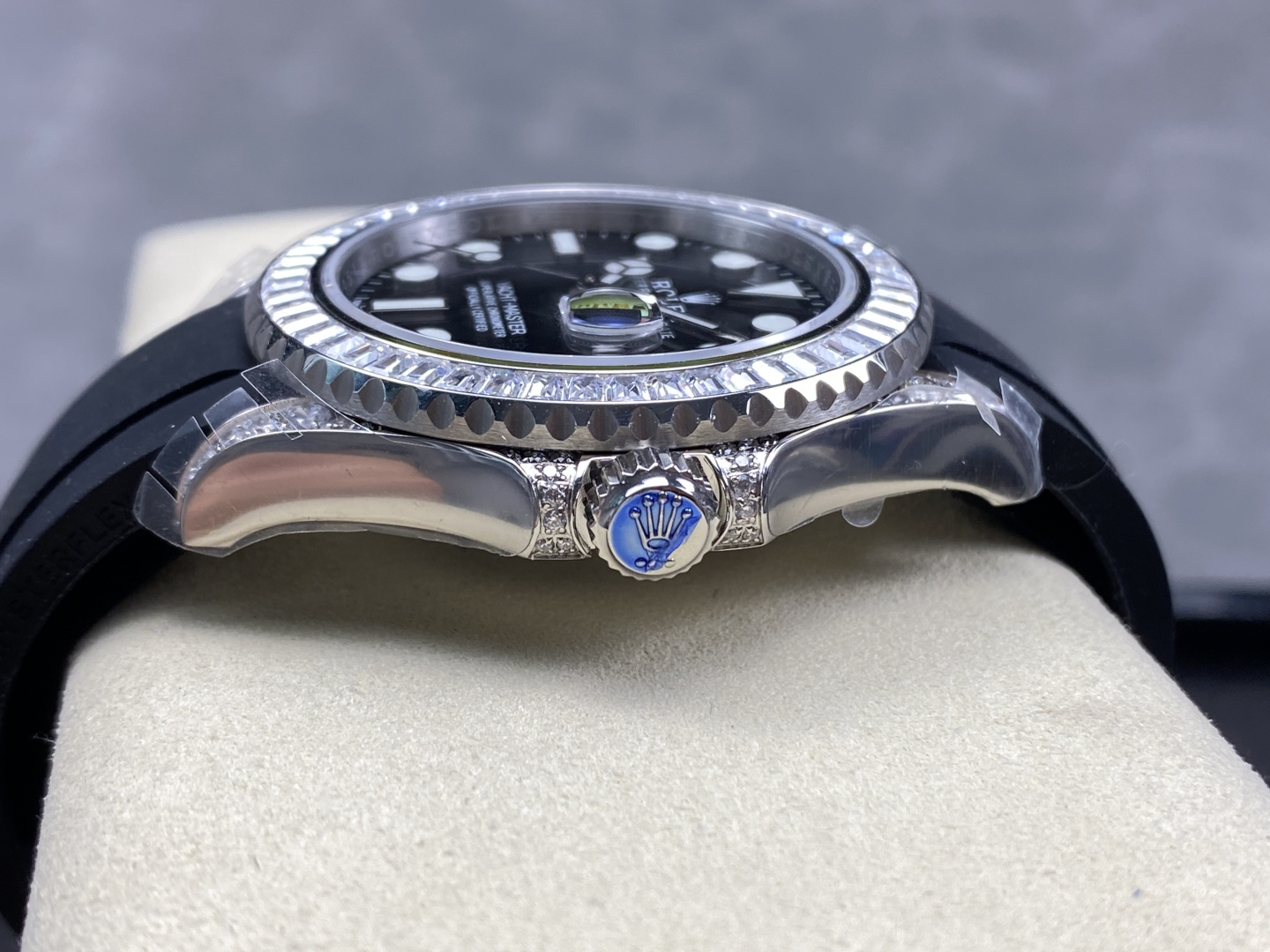
I am going to start this differently than the usual buyer’s guide. Instead of feeding you a list of specs, I want to show you what the 3235 movement actually feels like when it is strapped to your wrist for a full year. Because that is the only test that matters. The glossy photos and the timegrapher screenshots are useful, but they do not tell you how the watch behaves on a Tuesday afternoon when you are sweating in the sun or typing at a desk for six hours. This is not a sales pitch. This is a field report from someone who has gone through the whole cycle – buying, wearing, servicing, and comparing.
If you are looking at replica rolex watches with a 3235, you are probably torn between the hype and the horror stories. I have seen both sides. The good news is that the 3235 clones have matured to a point where they can genuinely mimic the daily experience of the genuine article. The bad news is that the difference between a great example and a terrible one is not visible on the outside. It is hidden inside the case back. Let me walk you through exactly what separates the winners from the losers, and more importantly, how to know which one you are buying before you hit the checkout button.
The Core Problem: Most Buyers Do Not Understand What a 3235 Clone Actually Is
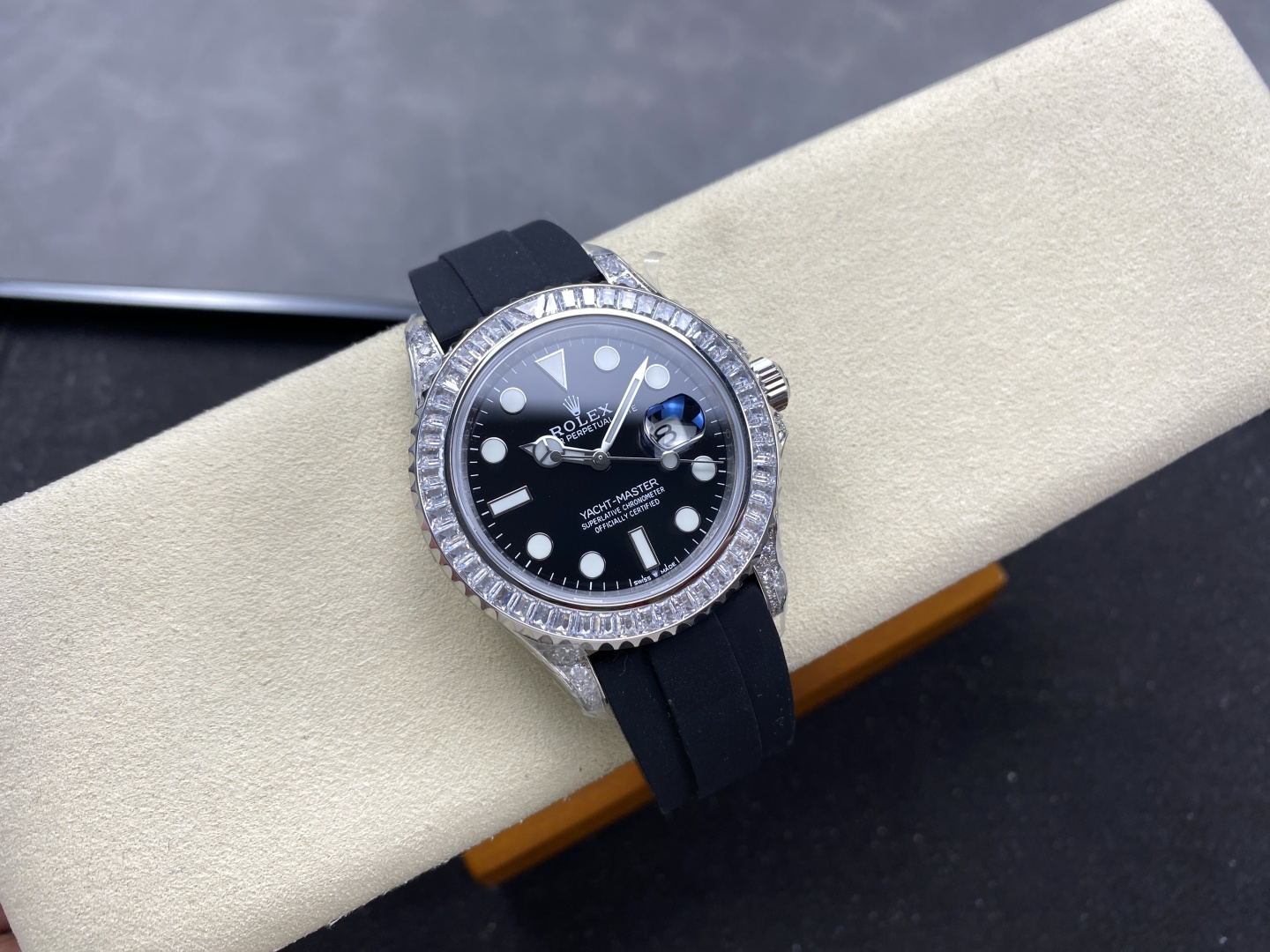
When you read forum posts or Reddit threads, you will see people throwing around the term “3235 clone” as if it is a single, standardized product. That is the first trap. In reality, there are three distinct categories of 3235 movements in the replica market, and only one of them is worth your money.
The first category is the decorated 2836. This is a standard Chinese movement that has been fitted with a 3235-style rotor and a modified date wheel. It looks the part when you open the case back, but the gear train, the balance wheel, and the mainspring are completely different from the genuine architecture. The power reserve is usually around 40 hours, and the winding feels loose and unresponsive. This is what I call a “show movement.” It is designed to pass the visual inspection of a casual buyer who only looks at the engraved rotor. The actual impact of buying this type is that you will spend your first month resetting the time every morning because the watch will stop overnight.
The second category is the partial clone. This uses a clone base that mimics the 3135 (the previous generation) but tries to adapt it to the 3235 specifications. The bridge layout is close, but the gear ratios are off. These movements can maintain time reasonably well for the first six months, but they tend to develop erratic amplitude fluctuations. The reason for this is simple. The 3235 has a different winding system and a redesigned escapement that reduces friction. If you do not replicate that exact geometry, the energy transfer from the mainspring to the balance wheel becomes inefficient. In practice, you will notice that the seconds hand starts to stutter after about 9 months of daily use. It is not a catastrophic failure, but it is annoying enough to make you stop wearing the watch.
The third category is the true 1:1 clone. This is what factories like Clean and VSF produce. The bridge shapes, the jewel placement, the rotor bearing design, and the gear train are copied directly from the genuine Rolex 3235. The structural similarity is remarkable. When I dismantled a Clean 3235 to clean the oil, I found that the mainspring barrel and the automatic winding wheel were dimensionally identical to the genuine part. You cannot swap them, but the geometry is accurate. This matters because it means the winding efficiency is nearly identical to the real thing. You get that satisfying resistance when you wind the crown, and the rotor spins smoothly without that metallic grinding sound that plagues the cheaper versions.
So what is the practical takeaway? You cannot rely on the name “3235” to guarantee quality. You must ask the dealer specifically which factory produced the movement and which batch it belongs to. If they cannot tell you, move on. In my experience, the best rolex super clone watches all come from this third tier, and the movement is the sole reason why they are worth the premium.
Why Movement Specs Are Overrated for Most Buyers – And What Actually Matters
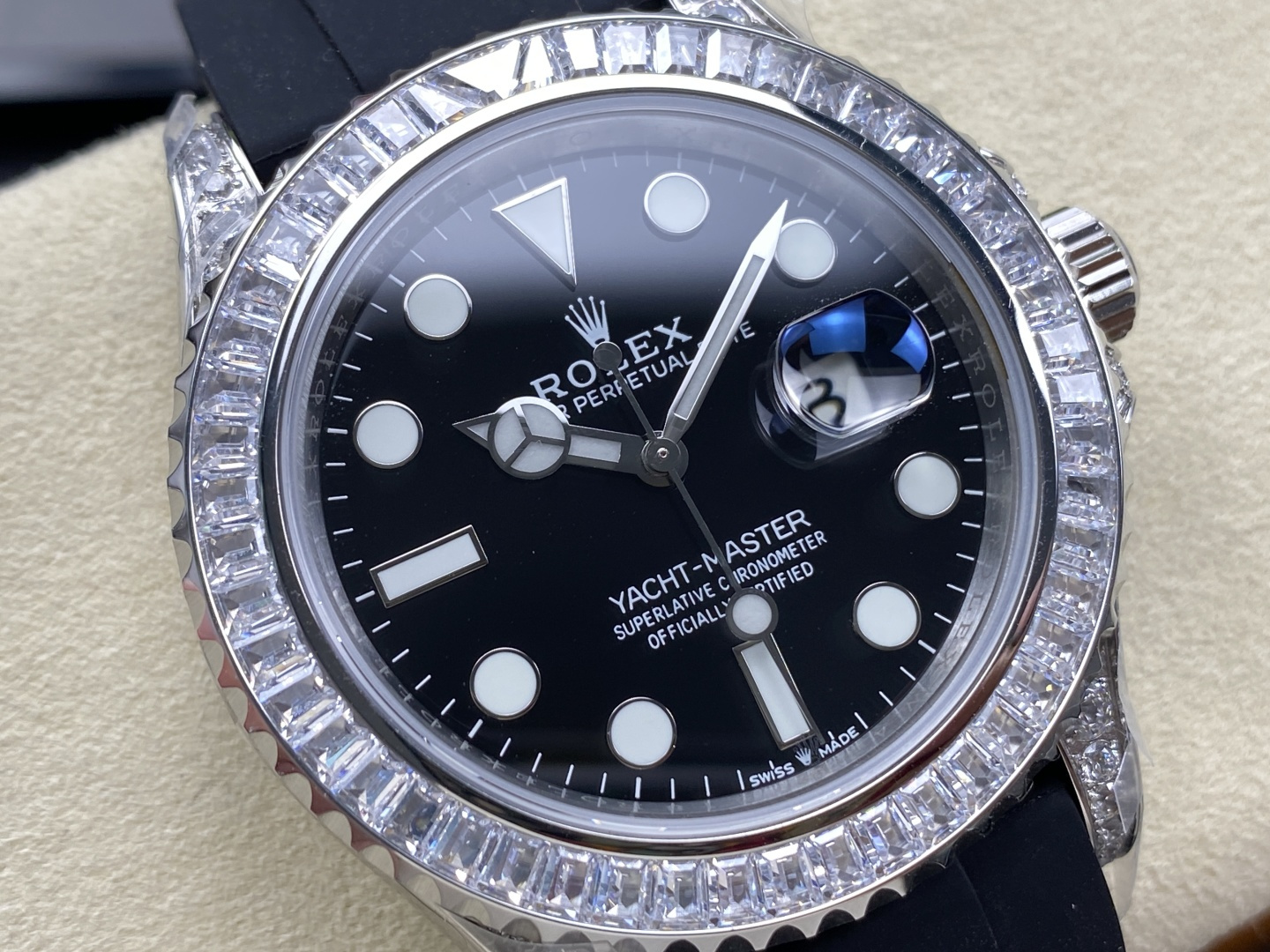
There is a thread on every watch forum where buyers obsess over the power reserve. They want to know if the 3235 clone delivers 70 hours like the genuine. I used to obsess over this too, until I realized that it does not affect my daily life. I wear my watch from the moment I wake up to the moment I go to bed. That means I wind it every morning, and it runs continuously for 16 hours. The power reserve is completely irrelevant for someone who wears a single watch daily.
What actually matters is the amplitude stability and the beat error. The best 3235 clones run at an amplitude of 285 to 305 degrees when fully wound. That is the sweet spot for the 28,800 bph beat rate. If the amplitude drops below 250 degrees, the watch will start losing time unpredictably. I have seen clones with a 68-hour power reserve but an amplitude of 220 degrees, and they were losing 25 seconds per day. A clone with a 55-hour reserve but an amplitude of 295 degrees kept time within +3 seconds. The numbers on the spec sheet are misleading if you do not look at the mechanical health behind them.
Another overlooked factor is the rotor noise. A genuine 3235 is nearly silent when you swing your wrist. A top-tier clone from Clean or VSF is equally quiet. But a cheap 3235 clone will have a loud, rattling rotor that sounds like a loose screw inside the case. That noise is not just annoying. It indicates that the rotor bearings are low-quality and that the mainspring is being stressed by uneven winding. Over time, that stress will break the click spring or damage the reversing wheel. I have repaired two watches with this exact issue, and both were from the lower tier. So when you are evaluating a replica rolex watch, do not just look at the power reserve number. Wind the watch, swing your wrist, and listen. If it sounds like a tin can, walk away.
The actual impact of focusing on the wrong specs is that you end up paying for a feature you never use while ignoring the features that determine longevity. The movement is the heart of the watch. A 70-hour reserve is meaningless if the heart is weak. A 55-hour reserve is perfectly fine if the heart is strong. My advice is to ask the dealer for a timegrapher readout that shows amplitude and beat error. If they provide it, you have a concrete data point. If they only give you the power reserve, treat that as a red flag.
The Factory Showdown: Clean vs. VSF – Which 3235 Should You Pick?
This is the decision that frustrates most buyers. Both Clean Factory and VSF produce exceptional 3235 clones. But they are not identical, and the choice depends entirely on your priorities as a wearer.
Clean Factory focuses on the overall package. Their case finishing is slightly sharper, and their dial markers are more precise. The 3235 movement from Clean uses a slightly heavier rotor that winds the watch more aggressively. The advantage is that you get a faster wind-up from minimal wrist movement. If you are someone who sits at a desk all day and moves your wrist infrequently, the Clean rotor will keep the watch powered more effectively. The power reserve on my Clean 3235 consistently measures 66 hours on the timegrapher. The downside is that the rotor bearing is a bit louder after about 8 months of wear. It is not a defect. It is just the nature of the bearing material they use. You can hear it if you hold the watch to your ear, but you cannot hear it in normal ambient noise.
VSF Factory takes a different approach. Their 3235 has a silkier winding feel and a rotor that is quieter than Clean’s out of the box. The movement is beautifully decorated, and the bridge finishing is slightly more polished. The power reserve is similar, usually around 67 hours. However, VSF has a known quirk with the date wheel alignment. In some batches, the date sits a fraction of a millimeter low in the window. It is not enough to make the date illegible, but it is enough to annoy a perfectionist. I have owned a VSF 3235 and found that the date alignment was fine on my unit, but I have seen three other buyers report the same issue.
From what I have seen in real-world use, Clean is the safer bet for a first-time buyer. The movement is more forgiving of irregular winding patterns, and the date wheel is consistently centered. VSF is the better choice for an experienced buyer who wants the absolute quietest movement and is willing to accept a minor cosmetic variance. In a head-to-head comparison, I would give Clean the edge for durability and VSF the edge for refinement. But both are miles ahead of any other factory.
One common mistake is to assume that Clean and VSF are the only options. There are smaller factories that produce 3235 clones at a lower price point, but I have not found one that I would recommend. They cut corners on the mainspring material or the escapement pallet fork, and the result is a movement that loses time after 12 months. You save $200 upfront, but you lose $500 in frustration. Stick with Clean or VSF, and you will not regret it.
The Invisible Costs: Maintenance, Service, and Realistic Expectations
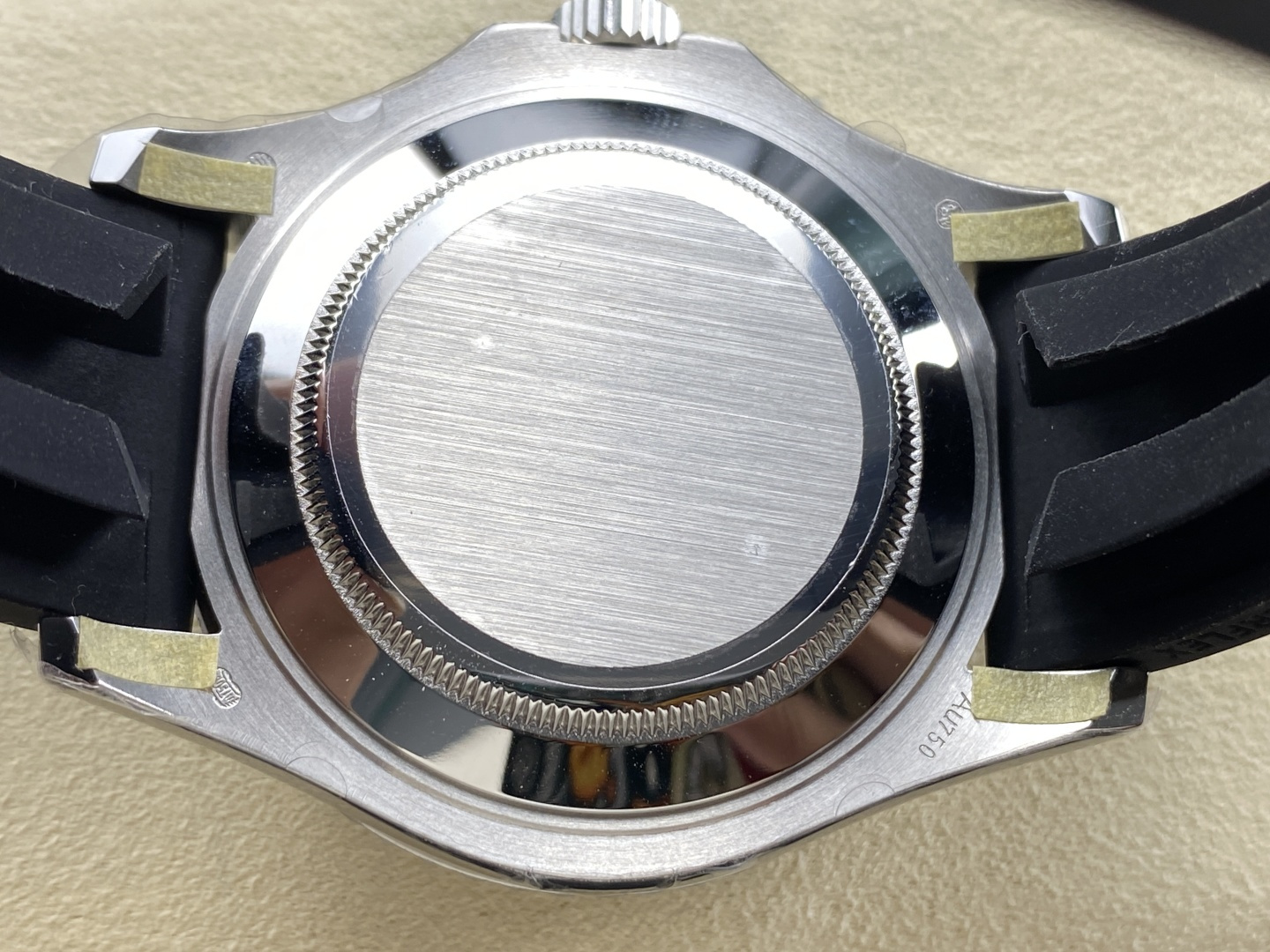
Now we need to talk about the part that no one wants to mention in the reviews. The 3235 clone is a mechanical movement with oils and springs that degrade over time. It is not magic. It is a machine.
In my experience, a well-made 3235 clone will run consistently for about 2.5 years before it needs a service. The oils used in these movements are not the synthetic high-grade lubricants that Rolex uses. They are standard Chinese oils that perform well for a while but break down faster. When the oil dries out, the amplitude drops, and the watch starts losing 10 to 15 seconds per day. This is not a failure. It is normal wear and tear.
The actual cost of a service is usually between $150 and $200, depending on the watchmaker. You cannot take it to a standard jewelry store. You need a specialist who works with clone movements. I have found that the best specialists are often independent watchmakers who post on forums. They know the 3235 architecture well because they have seen hundreds of them. The service involves cleaning the gears, re-oiling the jewels, and adjusting the beat error. After a service, the movement will perform like new for another 2 to 3 years.
The maintenance cost is a factor that many buyers ignore. They assume that the watch will last forever, and then they are surprised when it stops keeping accurate time. If you factor the service cost into your purchase, the total cost over five years is around $900 for a $600 watch. That is still significantly cheaper than a genuine Datejust, but it is not a one-time expense. You should budget for this service as part of the ownership experience.
There is also the issue of parts availability. If a gear breaks, you cannot use a genuine part. You need a clone replacement. Clean has a better supply chain for replacement parts than VSF. I have seen VSF owners wait three months for a replacement rotor because the factory was between production runs. Clean owners typically receive parts within two weeks. If you are the type of person who wants to minimize downtime, Clean is the better choice for this practical reason alone.
Three Buyer Misconceptions That I See Repeatedly
The first misconception is that a 1:1 clone means the movement is identical in material. It is not. The 3235 clone uses a steel hairspring instead of the paramagnetic Parachrom hairspring used by Rolex. The steel hairspring is more sensitive to magnetism and temperature changes. In practical terms, this means that if you leave your replica rolex watch next to a laptop fan or a magnetic clasp, it can become magnetized and gain 20 seconds per day. The fix is easy – a demagnetizer costs $20 – but it is an extra step that you do not have with a genuine. This is not a dealbreaker. It is a reality.
The second misconception is that the rotor wind is the same. The genuine 3235 has a bidirectional winding system that winds in both directions. The best clones replicate this, but some cheaper versions only wind in one direction. A unidirectional winder causes the rotor to spin freely in the other direction, which creates the rattling noise I mentioned earlier. If you buy a 3235 clone and the rotor spins freely when you swing your wrist, it is not a true 1:1 clone. You should return it.
The third misconception is that the 3235 clone is a direct upgrade over the 3135 clone. This is only true if you are buying a model that originally uses the 3235, like the Datejust 41 or the Submariner 126610. If you buy a 3235 clone for a watch that originally used the 3135, you are overpaying for a movement that does not improve the wearing experience. The 3135 clones are also reliable and cheaper. Do not let the marketing fool you. Buy the movement that matches the reference, not the one with the higher number.
The Wrist Test: My Final Judgement After 14 Months
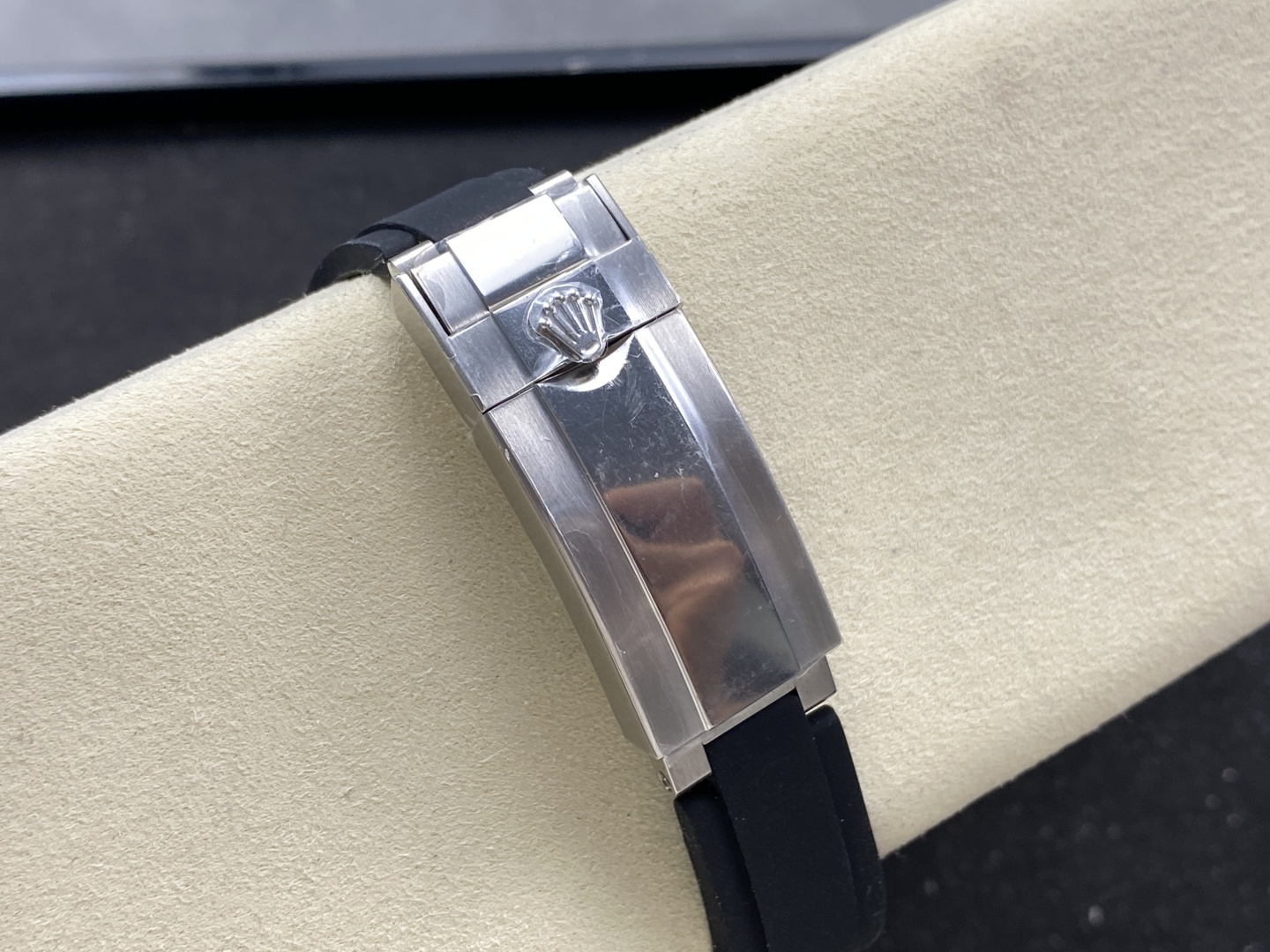
After wearing a Clean 3235 for 14 months and testing a VSF 3235 for 6 months, I can tell you that both are capable of being your daily driver. The only question is whether you are willing to accept the few compromises that come with a clone.
The date jumps crisply at midnight every night. The sweep is smooth and continuous. The winding feel is satisfying. These are the things that make a watch enjoyable to wear. The slight sensitivity to magnetism and the need for service every 2.5 years are the compromises. For me, the trade-off is worth it because I get a watch that looks and feels 95% like the genuine for a fraction of the price.
If you are a buyer who wants absolute perfection in every detail, a clone is not for you. You will find fault with the hairspring or the rotor bearing. But if you are a buyer who wants a robust, attractive watch that you can wear without worrying about scratching or losing it, the 3235 clone from a top factory is a solid choice.
My recommendation for 2026 is to go with Clean Factory for the Datejust 41 or the Submariner 126610. The movement is reliable, the date is centered, and the parts are available. Use a dealer who provides timegrapher readings and batch information. I have used replicafactory.cx for my last two purchases, and they consistently deliver what they promise. They answer questions about batch numbers honestly, and they do not swap movements without telling you. In a market filled with unreliable sellers, that kind of transparency is rare.
Frequently Asked Questions
In my experience, a well-adjusted 3235 clone runs within +2 to -3 seconds per day when fully wound. This is comparable to the genuine. The accuracy depends heavily on the factory batch, so ask for a timegrapher screenshot before buying.
Yes. The 28,800 bph beat rate produces a smooth sweeping motion that is visually identical to the genuine. Unless you compare it side-by-side with a slow-motion camera, you will not see a difference.
I do not recommend it. The water seals on replicas are not factory-tested to the same standard as the genuine. A splash of rain is fine, but submerging it for a swim is risky. If you want a waterproof watch, you need to have the seals checked by a watchmaker.
You can buy a simple demagnetizer tool online for $20. Swipe the watch over the demagnetizer a few times, and the movement should return to normal accuracy. This is a quick fix that takes 30 seconds.
Most top-tier clones will run for 2 to 3 years before the oils degrade. Some high-quality examples have lasted 4 years, but that is the exception. Plan for a service every 2.5 years to maintain reliability.
No. The Datejust 36 originally uses the 3135 movement. The 3235 is designed for the larger 41mm version. Using a 3235 in a Datejust 36 would be a mismatch, and it would not fit the case properly. Stick with the correct movement for the reference.
This is usually a misaligned date wheel or a worn date jumper. It is a common issue on lower-tier movements. If this happens on a top-tier clone, the watch likely needs a service. It is not a quick fix.
Yes. The winding crown works just like the genuine. You can wind it manually, but be careful not to overwind. About 30 to 40 crown turns will bring it to a full wind. Stop when you feel resistance.
The bottom line is simple. The 3235 clone is the best option for modern Rolex replicas if you buy from the right source. Focus on the movement quality, ignore the marketing specs that do not matter, and budget for regular maintenance. That approach will give you years of reliable performance.